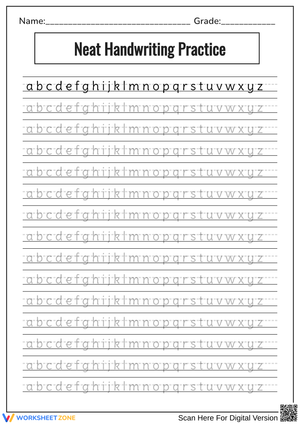
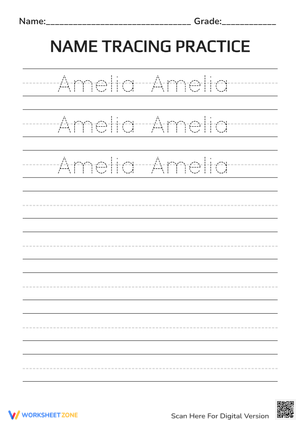
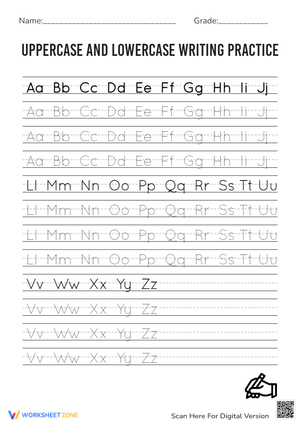
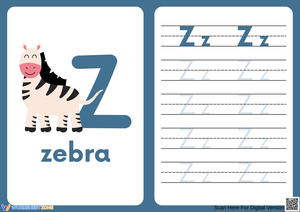
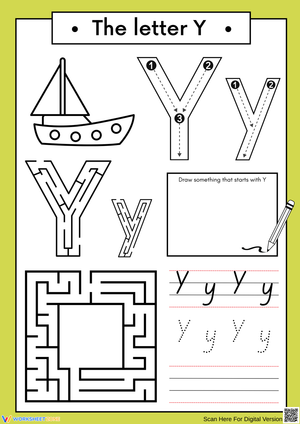
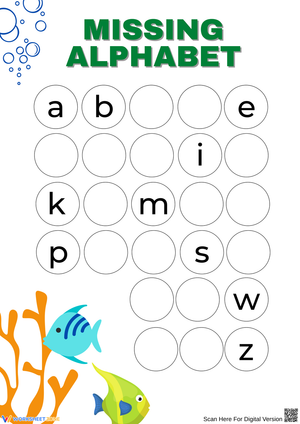
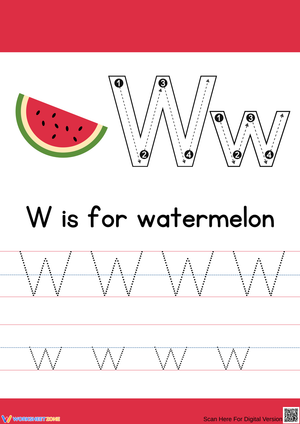
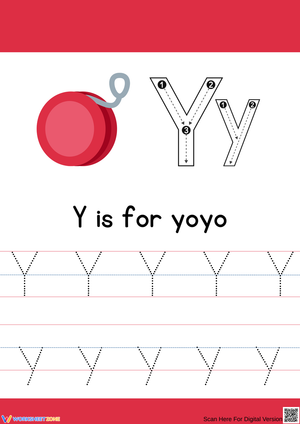
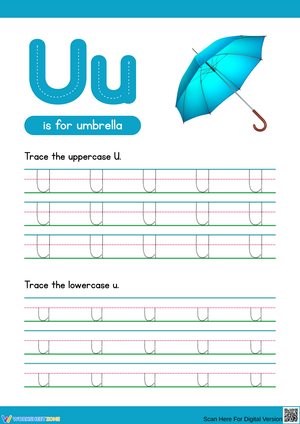
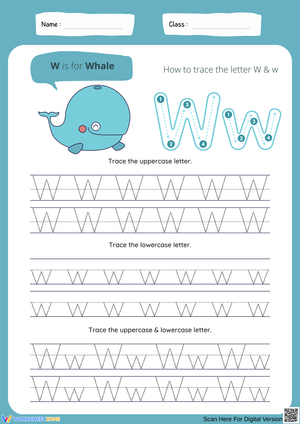
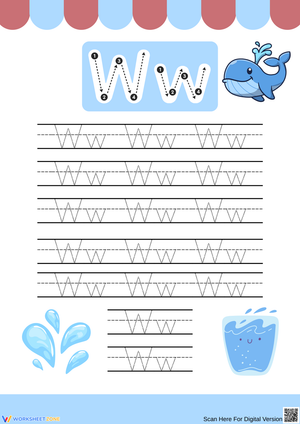
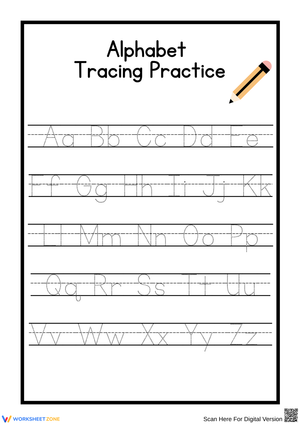
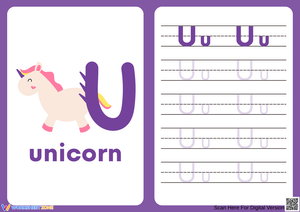
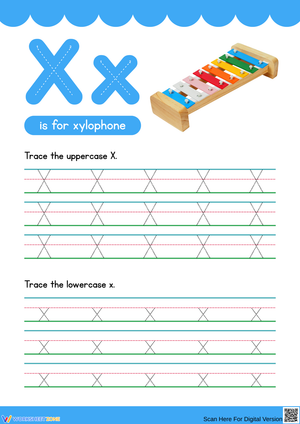
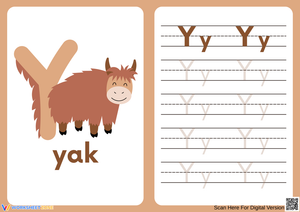
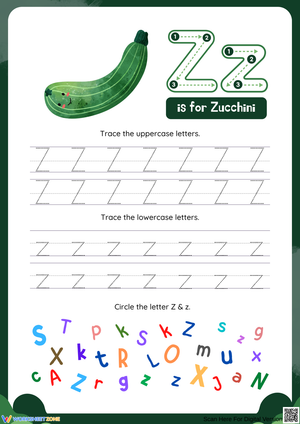
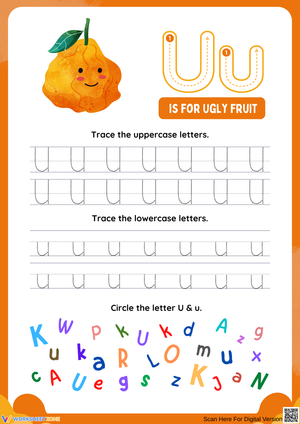
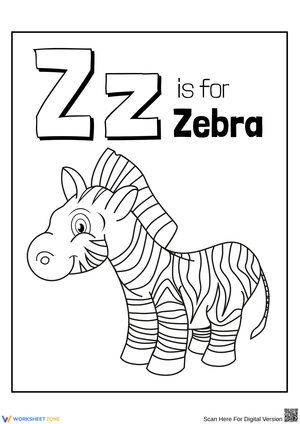
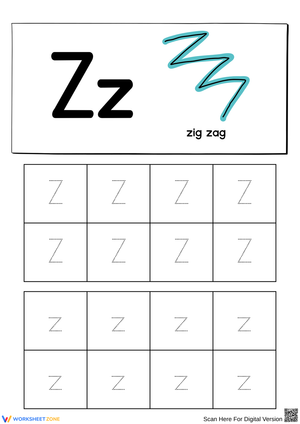
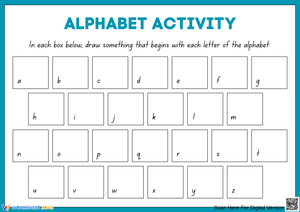
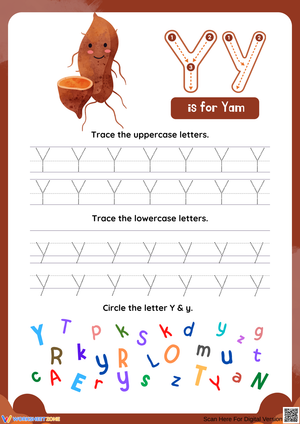
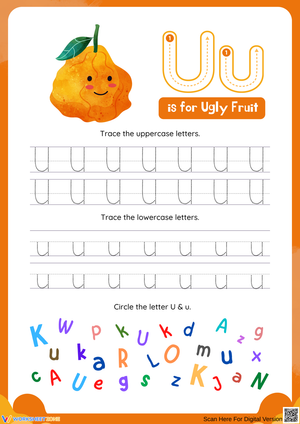
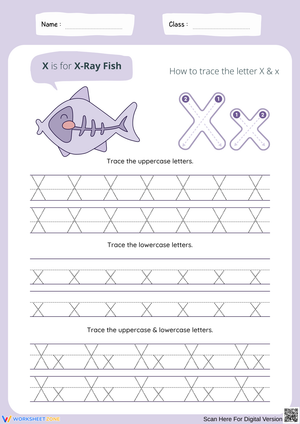
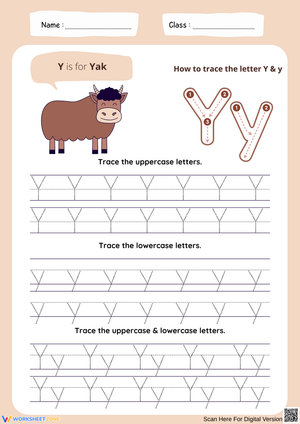
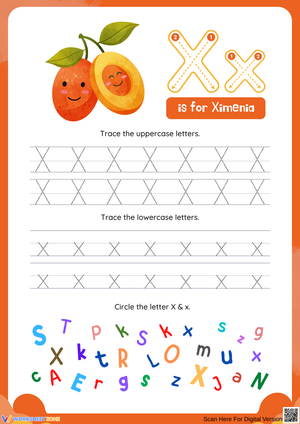
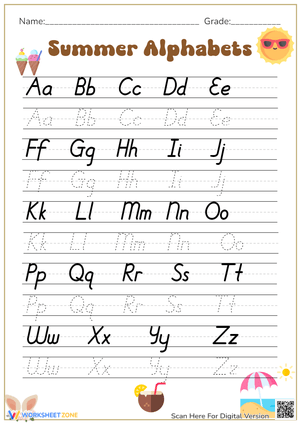
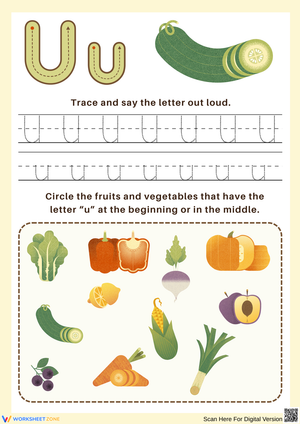
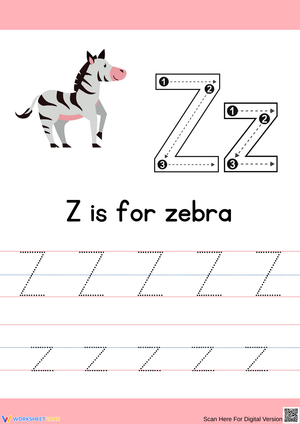
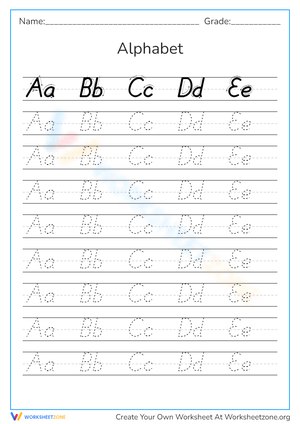
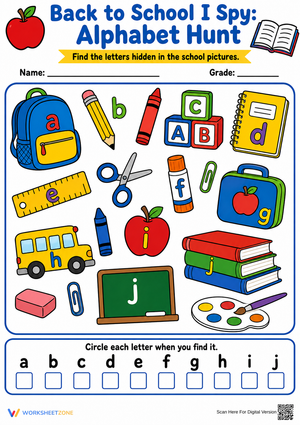
If you teach pre-K, kindergarten, or first grade, you already know that letter formation does not click after one lesson. Students need repeated, guided practice tracing and writing each letter before the motor pattern becomes automatic. Alphabet handwriting worksheets give you a structured, print-ready way to deliver that repetition without reinventing a new page every night. They work as warm-ups, center activities, homework, or targeted intervention support, and they let you see exactly where a student's pencil control or letter memory is breaking down.
For many early elementary teachers, the goal is not just neat handwriting. Clear letter formation supports how quickly a student can retrieve a letter shape, name, and sound, which matters during reading and spelling instruction as much as it does during writing time. A worksheet set that walks students through uppercase and lowercase forms, directional strokes, and independent practice gives you one consistent tool across whole-group, small-group, and individual work.
What the Research Says About Letter Formation Practice
Handwriting instruction is not just a nice-to-have skill in early elementary school. It has a documented relationship with literacy growth, and that is worth keeping in mind when you decide how much class time to protect for it.
A meta-analysis of handwriting instruction research from 2000 to 2020, published in the article Promoting Handwriting Fluency for Preschool and Elementary-Age Students, found that structured handwriting instruction produced statistically significant gains in legibility and fluency for students from kindergarten through 12th grade, with individualized and technology-assisted practice showing the strongest results.
That same body of research points to kindergarten handwriting instruction improving related literacy outcomes, including letter name and sound knowledge, spelling, and word reading. In practice, this means the ten minutes you spend on alphabet tracing during morning work is not separate from your phonics block. It is reinforcing the same letter-sound connections your students are building during reading instruction.
Building a 6-8 Week Letter Formation Routine
Young learners typically need six to eight weeks of repeated exposure to fully internalize a letter's name, sound, and correct formation. That timeline is useful when you are planning pacing, because it tells you a single worksheet or a single week of practice will not be enough for most students to master a letter.
A practical routine looks like this: introduce the letter with a large-scale model, move to guided tracing on a worksheet, then shift to independent practice where students write the letter from memory. Rotating back through previously taught letters, rather than moving on and never revisiting them, is what turns short-term tracing into long-term retention.
- Model the letter stroke by stroke before students pick up a pencil
- Use tracing worksheets for the first two to three exposures
- Move to copy-and-write practice once tracing is consistent
- Revisit earlier letters weekly so formation does not fade
Teacher Tips
A few classroom habits make alphabet handwriting worksheets more effective, regardless of grade level.
- Use the same starting-point language every time a letter is introduced, such as always starting at the top
- Check pencil grip before checking letter shape, since grip problems often cause formation problems
- Keep practice sessions short and frequent rather than long and infrequent
- Save a few early worksheets and a few later ones to show growth during family conferences
- Flag students who show no improvement after several weeks of consistent practice for further observation
If a student continues to struggle with letter formation despite consistent practice over several weeks, that pattern is worth noting. Persistent reversals, extreme letter size inconsistency, or significant fatigue during short writing tasks can be early signs that a student would benefit from an occupational therapy referral or additional evaluation.
Frequently Asked Questions
1. What age or grade should students start structured alphabet handwriting practice?
Most classrooms begin structured letter formation practice in pre-K or kindergarten, once students can hold a pencil with reasonable control. Kindergarten is typically when formal, sequenced alphabet instruction begins in earnest.
2. How often should alphabet handwriting worksheets be used each week for best results?
Short, frequent practice sessions, several times a week, tend to build letter formation more reliably than one long session. Given that students typically need six to eight weeks of repeated exposure to master a letter, consistency matters more than session length.
3. Do alphabet handwriting worksheets help with reading skills, not just writing?
Yes. Kindergarten handwriting instruction has been linked to gains in letter name and sound knowledge, spelling, and word reading, which means handwriting practice supports early literacy beyond legibility alone.
4. How can teachers tell if a student needs extra handwriting intervention?
Watch for persistent letter reversals, inconsistent letter sizing, unusual pencil grip, or noticeable fatigue during short writing tasks. If these patterns continue after several weeks of regular practice, it may be time to bring in additional support or a formal evaluation.
5. Should uppercase and lowercase letters be taught together or separately?
Many classrooms introduce the uppercase form first, then pair it with the matching lowercase form once the shape is familiar. Worksheets that show both forms side by side help students build the connection between the two without treating them as unrelated letters.